
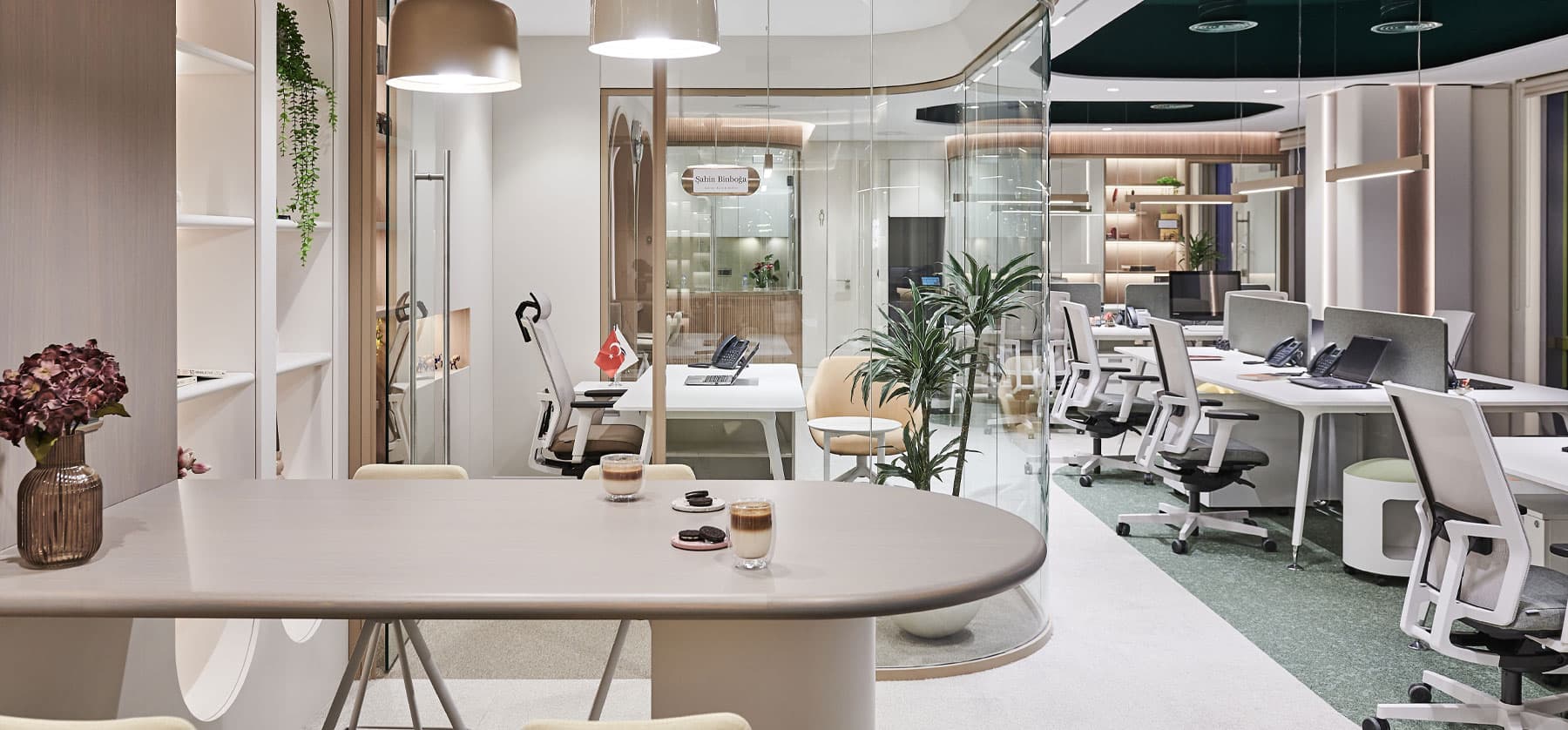
If you’ve ever tried to concentrate in a noisy office, you’ll know how hard it can be. Phones ringing, people talking, printers whirring – it all adds up. The same goes for creative spaces like recording studios or shared work areas. Noise bounces around, making it tough to focus or communicate clearly. That’s where proper soundproofing and acoustic insulation come in.
At Metropolitan Insulation Services, we’ve been sorting noise problems across the UK for over 30 years. We work with homeowners, businesses, and industrial clients – anyone who needs their space to sound and feel better. From offices and classrooms to studios and production rooms, we know what it takes to get the noise under control.
Why Noise Is Such a Problem
Noise affects people more than they think. It can make it hard to focus, reduce productivity, and even increase stress levels. In shared workspaces or studios, it’s not just an annoyance – it affects how you use the room.
Offices, for example, often have hard surfaces that reflect sound: glass walls, solid floors, suspended ceilings. All that echo and background chatter can make the space feel chaotic. In studios, the issue’s usually the opposite – sound leaking in or out, affecting recordings or privacy.
How We Help Fix It
We start by looking at where the noise is coming from and how it moves through the space. It’s not always obvious – sometimes it’s structure-borne sound, like footsteps or vibration, and other times it’s airborne, like voices or machinery. Once we know what we’re dealing with, we can plan the right fix. Here are a few of the systems we use:
- Acoustic insulation for walls and ceilings – blocks sound transfer between rooms or floors.
- Sound-absorbing panels and barriers – cut echo and reverb inside the space.
- Floating floors and ceiling treatments – reduce impact noise and vibration.
- Specialist spray and injected systems – fill cavities to stop noise escaping through small gaps.
Every job’s different, so we tailor each solution to the space. The aim’s always the same – a quieter, more comfortable environment that works the way you need it to.
What Makes Metropolitan Different
We don’t just supply materials; we handle everything from start to finish. That means:
- Free expert advice
- Surveys usually within 24 hours
- Supply and fit service handled entirely in-house
- Eco-friendly, high-performance materials
- Guaranteed work and full nationwide coverage
With more than 30 years’ experience, we know how to deal with all types of buildings – from modern offices to older converted spaces that were never designed with acoustics in mind.
A Quieter Workspace Starts Here
You don’t have to live with unwanted noise. With the right insulation and acoustic setup, even a busy office or studio can feel calm, private, and comfortable.
If noise is getting in the way of your work, give Metropolitan Insulation a call. We’ll have a chat, take a look, and find the best way to make your space quieter – with no fuss and no disruption.